Horror
Bedlam Mental Hospital: The Building Built to Scare Patients
Behind the terrifying legend of the London asylum, there is a real history of mental healthcare and walls that now stand silent.
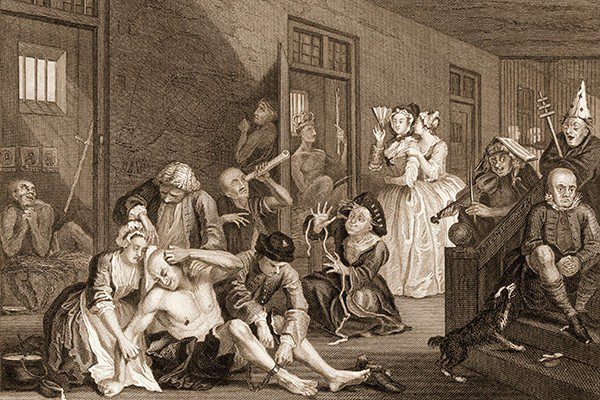
H2: The Building Built to Scare Patients
Imagine standing in the dead of night before a colossal stone building. A cold wind runs down your neck. Its windows are empty eyes staring into the darkness. The heavy iron door looks as if it will never open again. The story going around is that this building was deliberately designed to frighten those with mental illness. The name often invoked is Bedlam, the legendary London asylum.
But let's pause. Our sources do not support the Bedlam name. There is no credible record that this building was built to scare anyone. What we have is only a legend — a tale spun from fear of the unknown.
According to one version making the rounds on social media, the mental hospital was built to scare patients. Another claims it was built for mental healthcare. Neither version can be verified. This is legend, not documented fact.
So why does this story persist? And what truly went on behind the asylum's walls?
H2: Walls That Hold Dark Stories
What is better documented is the rise of mental healthcare in Britain. According to detik.com, 60 mental hospitals were built across the country by 1890. The next year, 1891, added another 40 similar structures.
These numbers are more than statistics. They reflect the massive need for housing people with mental health issues at the time. Hundreds of buildings rose across Britain, confining thousands of patients who lived isolated from the rest of society.
You can almost feel the cold stone against your skin. Endless corridors with floors that groan with every step. A damp odor clings to the aging concrete walls. Faint light seeps through dusty windows. These are generic details, yet sufficient to stir a sense of dread.
These institutions were built during an era when mental illness was perceived very differently from now. Patients were segregated from society. Often, they were subjected to degrading treatment. Walls meant to restrain have become walls that hold sorrow.
H2: History of Mental Healthcare in the World War II Era
Some of those structures date back to the World War II period. According to a detik.com report, mental hospital buildings from that era now stand abandoned. No longer do thousands of patients fill their rooms. Doors are locked, windows shattered, and nature is slowly reclaiming the grounds once dominated by stone and steel.
What went on inside during the war? The sources available don't offer that insight. What we know is this: once-bustling buildings are now silent. Architecture that was once seen as modern now appears as a leftover from a bygone era.
H2: Abandoned to This Day
Today, those buildings stand as mute witnesses. The legend of a building constructed to scare patients endures, not because of proof, but because the structure's very appearance is enough to chill you. Gray stone, corridors that stretch on forever, and a history packed with treatments that were often more horrifying than the illness itself.
So, was there a building intentionally designed to frighten patients? According to our sources, that's unverifiable. What we have is the true story of hundreds of British mental hospitals and walls that now remain silent, awaiting new narratives.
What would you feel, I wonder, if you stood before the door of such a building?
Gallery

Sources and further reading
- Bethlem Royal Hospital - Wikipedia Mendukung pendirian 1247, catatan pasien 1403, pindah gedung 1676/1815/1930, laporan Wakefield 1814, reformasi 1852, dan status saat ini.
- Bedlam: Why Did The Infamous Asylum Have Such A Fearsome Reputation? | HistoryExtra Mendukung wisata publik, jumlah pengunjung, pengawasan 1814 atas Anna Stone, perawatan abad pertengahan, dan perdebatan dokter.
- Bethlem Royal Hospital Mendukung pendirian 1247 oleh Simon Fitzmary, rujukan pertama pasien jiwa 1403, pengalihan 1547 ke Kota London, dan gabungan NHS 1948.
This story was drafted with AI assistance and edited against googs’s editorial guidelines. Primary sources are linked below.